
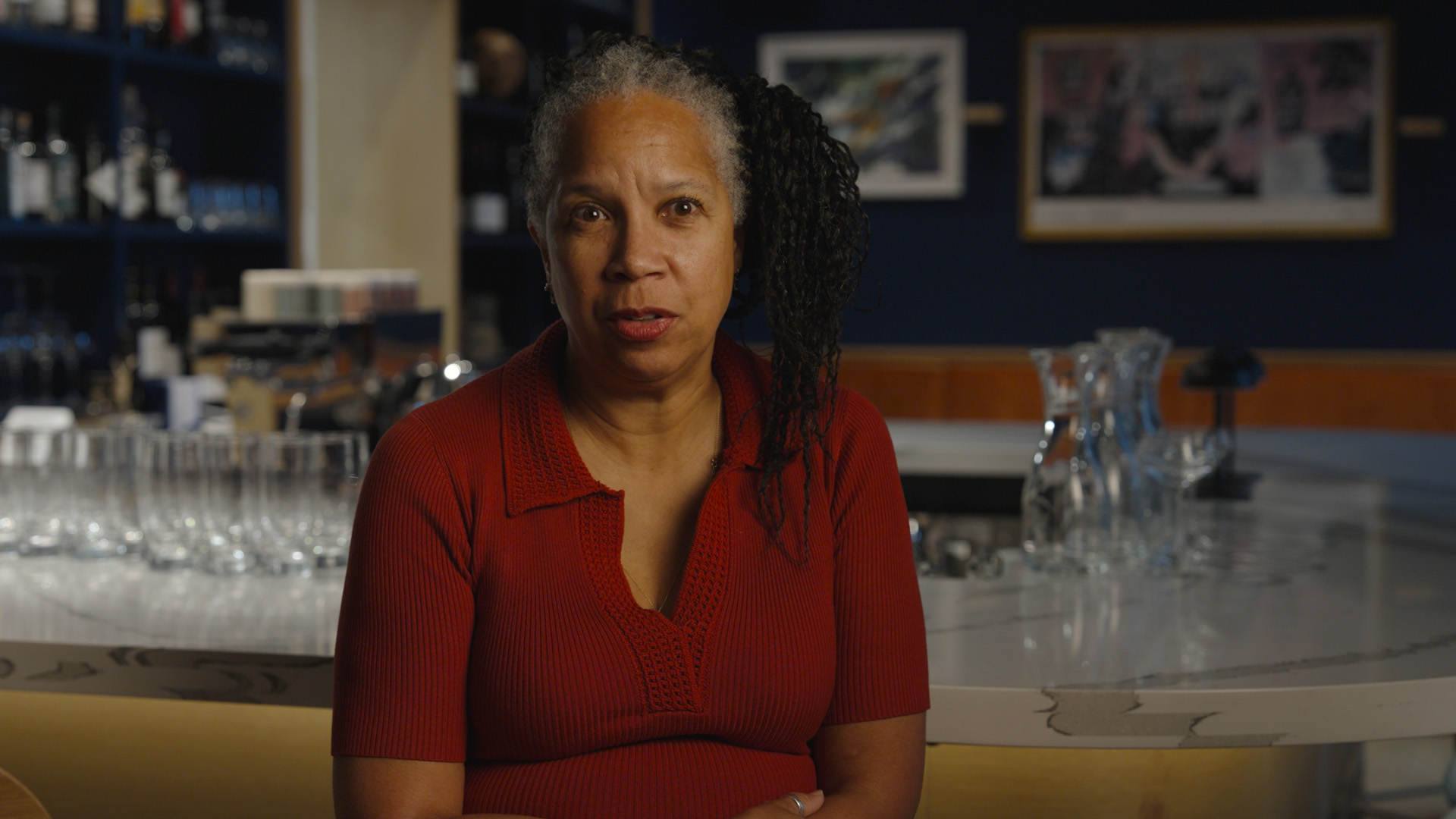
Kitchen Currents: Episode 1 — Seattle’s Marjorie Restaurant
Donna Moodie Creates Locally Sourced, Globally Inspired Cuisine: Reimagines Climate-Friendly Electric Kitchen in Seattle’s Historic Black District
By Sidney Beaumont
For decades, chefs and restaurateurs have been the leading lights of the sustainable food and farm-to-table movement. But now some of them are standing up to say it’s time to make the way we design and cook in our kitchens also play a central role in protecting our health, environment, and climate. And the response by a growing chorus? “Yes, chef!”
For Donna Moodie at the restaurant Marjorie, her climate activism is rooted in the memory of her mother, Marjorie, and is driven by Moodie’s concern for the world her own son is inheriting. Trailing her mom—a warm and generous host—around the kitchen as a young girl in Jamaica and Chicago’s South Side, Moodie went on to start celebrated restaurants doing “scratch” cooking using only the highest quality ingredients, supplied largely by local merchants and farmers.
It is this thread of stewardship that connects her passion for food, community, and family, and also animates her deep commitment to the climate-friendly movement towards electrification at her new restaurant in Seattle’s Central District—a storied Black community and vibrant center of economic and cultural life that is rejuvenating itself there.
Moodie’s story is part of a new video series by the Building Decarbonization Coalition (BDC), Kitchen Currents, which features restaurant owners who made a conscious decision to go electric. By highlighting restaurants and Chefluencers leading this effort, along with practical resources, it hopes to give chefs and restaurateurs an on-the-ground view of the opportunities—and challenges—of creating climate-friendly, state-of-the-art electric kitchens.
The video depicts Donna’s journey and the choices that led to her new incarnation: location, food, values, space, and a desire to be climate-forward in the design and technology.
After having three beloved locations over more than two decades, Marjorie has been reimagined in the Central District’s burgeoning Midtown Square development, with its culinary pedigree and familiar charms intact. The kitchen is focused on dishes globally inspired and locally sourced—the jerk chicken remains a favorite—and the bar and dining room maintain intimacy, while featuring bold art and design elements and furnishings made by local craftspeople.
As a long-standing environmentalist and climate activist, Moodie’s focus on food and restaurants is one aspect of her work. In her role as Chief Impact Officer at the Urban League of Metropolitan Seattle, her priority is on the cross-cutting practices and policies that serve climate, health, and equity.
When setting out to design Marjorie, she knew in advance how she wanted to power the restaurant: electrification is the cleanest and most efficient way to cut carbon pollution and eliminate fossil fuels from our buildings. Burning fossil fuels inside can cause health problems, including childhood asthma and respiratory illness. Electric kitchens reduce carbon emissions, conserve energy, improve air quality, and reduce heat in the kitchen, all while giving precise control over cooking temperatures.
The video depicts her excitement about being part of this movement, and even with the obstacles they faced, Moodie feels gratified that they challenged themselves by going all electric. “I think it was worth it,” she shared. “I believe there is a real benefit to choosing all-electric construction over gas, which is being increasingly discouraged by climate-concerned municipalities and businesses.”
But she does have advice for those building commercial kitchens that want to go all electric. She encourages restaurateurs to design the kitchen with someone who has a proven track record. Short of a wine bar or snack menu, a vent hood is probably necessary, but this shouldn’t temper the commitment to go all-electric. She stressed understanding which “ventless” appliances actually require ventilation. “We initially worked with an oven that produced bad air quality. It delayed announcing our opening, limited our menu, and required adjustments to our kitchen. We eventually replaced them with Alto-Shaam ovens and added supplemental venting, which improved conditions significantly.”
Given that more equipment, like induction burners, is needed on the counter, she also recommends additional counter space and a deep bench where the ovens are placed, along with sufficient door swing allotment.
“Our food comes up in a very timely fashion, greatly aided by our chef, Aislinn McManigal-Quintana, who is brilliant, creative, and meticulous. She was open to honoring my interest in eclectic, global cuisine using electric technology. I think the equipment also makes this precision possible.”
“Once properly trained, our kitchen staff requires less supervision, as many of the dishes are produced with carefully timed and temped procedures. There is a consistency I’ve noticed, which is so challenging to achieve in restaurants,” said Moodie.
Some regulars noticed differences between the restaurant’s previous offerings, which opens up opportunities for climate-related conversations. But in the Pacific Northwest, many guests are passionate supporters of environmental investments, which makes them receptive to this approach.
Moodie pointed out a shared industry pain-point of under-trained and resourced equipment providers—and noted efforts like The Switch Is On’s Contractor Finder tool as a valuable resource. She sees real value in building community and confidence among early adopters. She strongly believes BDC’s Chefluencer program connects and supports others navigating similar transitions.
Marjorie recently opened their outdoor patio seating area, facing murals depicting heroes of the Black community, set in the landscaped courtyard of Midtown Square. They also launched a new website, along with their monthly newsletter.
Moodie has created in this iteration of Marjorie—like in all of her past eateries—the ability to nurture a diverse mix of friends, family, and guests with her unique brand of gracious hospitality. “We love being part of this amazing community that has resurrected a space for the historic Black community of the Central District. And that we can bring love and food together, while creating climate solutions with amazing technology that will help our business, our community, and our planet,” she shared.
As Moodie says at the start of the video, “I would challenge anyone who is unsure it works to see what we are doing.” Whether you are surprised or not, you will certainly be delighted.
Watch this space for more releases of Kitchen Currents, and please reach out if you’re interested in sharing your electrification or induction story, or learning more.
Kitchen Currents: Marjorie Video Producer/director/editor: Sidney Beaumont, RootedMedia.net | Director of Photography: Paul Mailman | Additional Cinematography: Seth Gwinn
Marjorie Restaurant (marjorierestaurant.com): Midtown Square, 2301 E Union St, Suite P, Seattle, WA, 98122, (206) 441-9842, Kitchen hours: Tuesday – Saturday: 5 – 10 pm, Bar Hours: 5 pm – Close